Key Characters

The existing mills of Apsley had gradually been converted to the making of paper.  The first of these ‘top mills’ as they were known, Two Waters Mill was sited at the confluence of the Bulbourne and Gade Rivers. It and those downstream, all benefitted from the the clear chalk stream water. Thee mills were located close to the major turnpike road between Aylesbury and London and near the coach stop for the market town of Hemel Hempstead. It is therefore unsurprising that they were chosen first by the Fourdrinier Brothers and then by John Dickinson for their new paper machines.

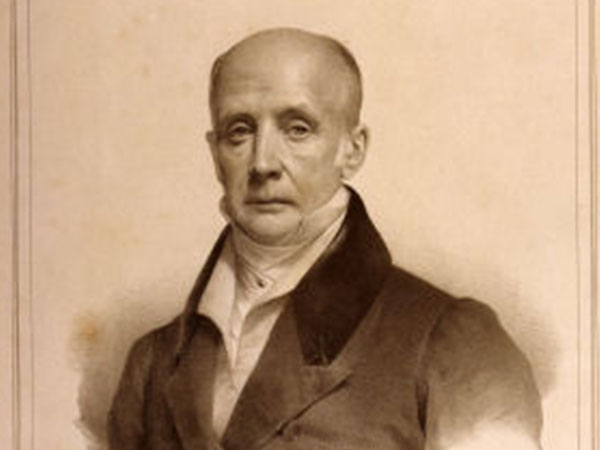
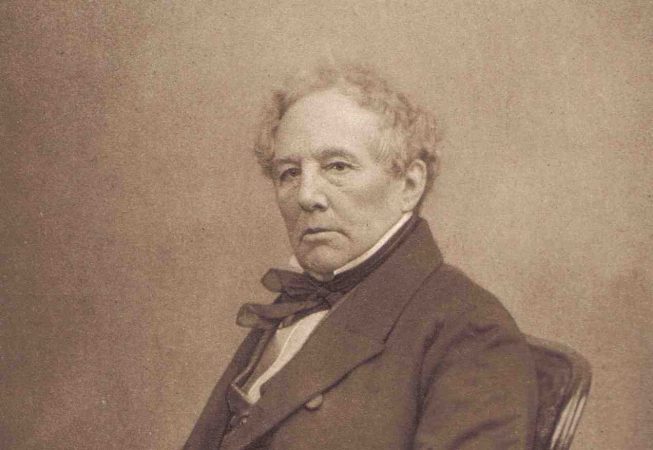
So began papar’s industrial revolution. However, the story does not end with the invention and placement of two paper machines that changed the world. It starts earlier in Essonnes, France, grows into a story of very many inventions and continues with their descendents. The list of remarkable people and their influence, is barely recognised in the Hemel Hempstead of today. Apsley was home to some remarkable inventors, archeologists, successful businessmen, enquiring minds and ground breakers. The area transformed from a scattering of houses into a thriving industrial base. These people were the movers and shakers of their time, honoured and rewarded beyond Hertfordshire at the highest level of society and academia. Some of the cast are briefly described below.
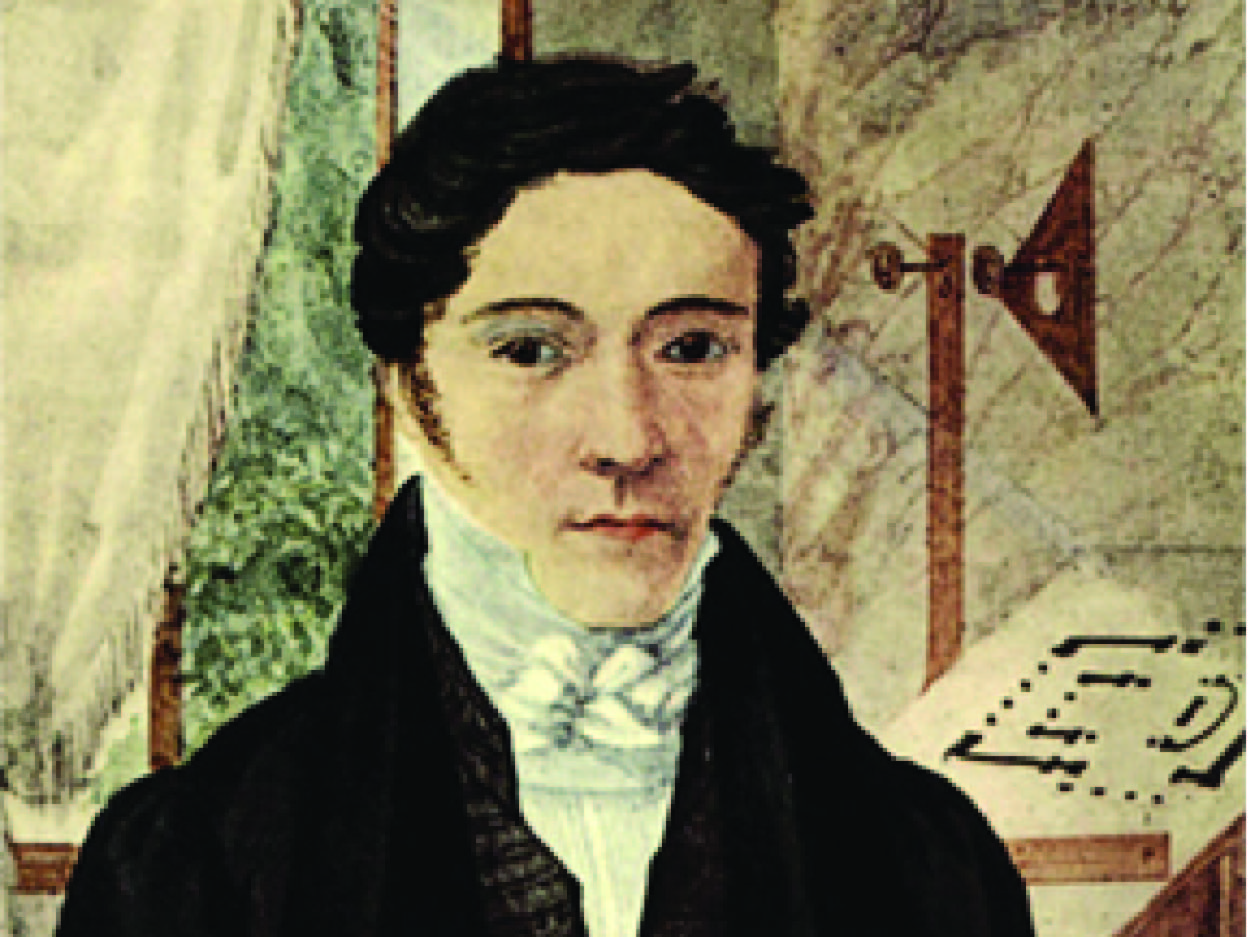
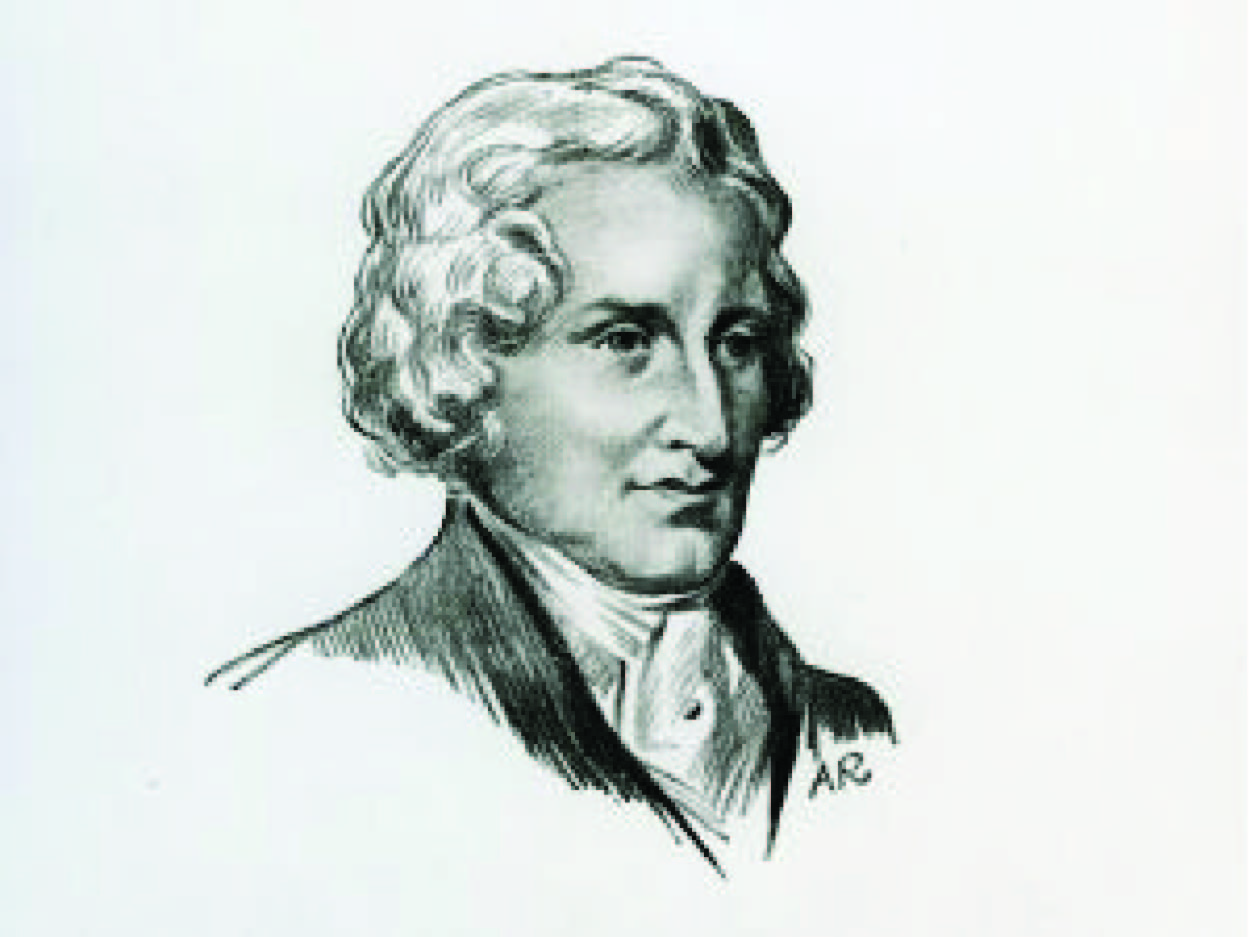
  • Niolas-Louis Robert

    Nicolas Louis Robert was born in 1761, in Paris. A frail child born to older parents, he attended a school with a strong focus on science and mathematics. Robert first tried to enlist at the age of 15 to ease the burden on his parents, [...]

  • Henry Fourdrinier
    The Fourdriniers

    The original concept of a continuous papermaking machine was the invention of a Frenchman, Nicolas-Louis Robert. He worked at a paper mill near Paris and whilst there, developed his ideas for making a continuous sheet of paper by mechanical means. A French patent was registered [...]

  • Bryan Donkin

    So how did an idea developed in France by Nicolas-Louis Robert become the first paper machine in Hertfordshire, England? Ledger Didot having acquired the French patent of the Nicolas-Louis Robert machine, realised it could not be progressed in France. As England was the pioneer of [...]

  • John Dickinson

    John Dickinson founded a giant business empire employing many thousands of people world-wide at its peak. He started his working life by training as a stationer in the City of London, becoming enrolled in the Worshipful Company of Stationers and Newspaper Makers at Stationer’s Hall in [...]

  • Sir John Evans

    John Evans was the son of a clergyman schoolmaster who was all set for an academic career and about to enter Brasenose College when he was abruptly sent to work for his uncle John Dickinson, who promptly put him out to lodgings. He soon proved [...]

  • Sir Arthur Evans

    He was the eldest son of Sir John Evans but was not prepared to enter the business instead pursuing a remarkable career as an archaeologist. Arthur became Curator of The Ashmolean Museum following a period of imprisonment in the Balkans for insurrection. As Curator he [...]

  • Lewis Evans
    Lewis Evans

    The second son of John Evans and a great-nephew of John Dickinson, Lewis had mathematical and scientific interests which ideally suited him to a career in the paper industry. He became a partner in 1881, then the General Manager in 1889 and later Chairman. During [...]

  • Dame Joan Evans

    Known as the author of the definitive work on John Dickinson, ‘The Endless Web’, Joan Evans has her own illustrious story. Born in 1893, she was the last child of John Evans, nephew of John Dickinson and his third wife, Maria Millington. Joan was therefore [...]

  • Marchant Warrell

    The first paper-machine man. Marchant Warrell began his career at around the age of 14 with an apprenticeship at Frogmore Mill in the late eighteenth century, learning to make paper by hand. After completing his apprenticeship he travelled across the country as a journeyman, finding [...]